
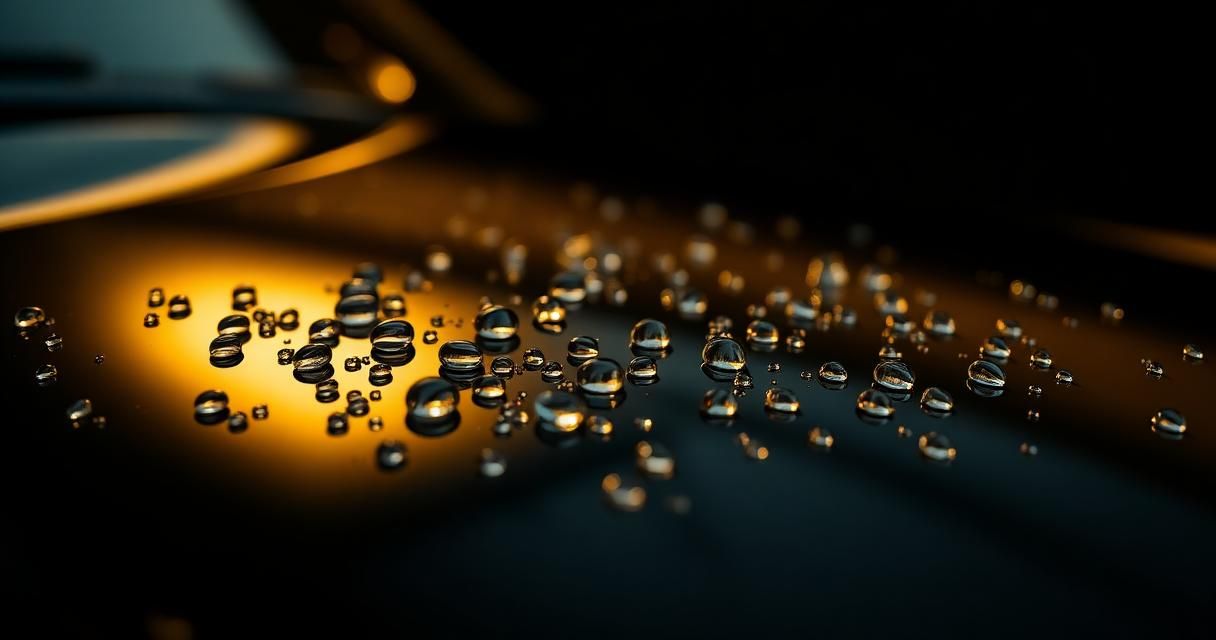
A coating has two different lifespans
The chemical bond — a cross-linked SiO₂ layer roughly 2 to 5 microns thick — is durable and can genuinely last years. The hydrophobic top surface, which is what produces beading and sheeting, is a thin outer layer that wears from washing, UV, and contamination.
- Protection lifespan: how long the coating still shields clear coat from UV, chemicals, and bonded contaminants. Typically 2–5 years on a properly prepped professional coating.
- Performance lifespan: how long water beads tightly and dirt releases easily. Typically 12–24 months before it noticeably drops off.
When someone says their five-year coating 'stopped working after 18 months,' they usually mean the performance layer wore down. The protection is still there — it just needs a topper.
What actually determines real-world lifespan
- Prep quality — decontamination and paint correction before application matter more than the product. A coating over bonded contamination is bonded to the contamination, not the paint.
- Cure conditions — coatings need controlled temperature and humidity for the first 12–24 hours. A rushed cure in direct sun is the most common cause of early failure.
- Wash method — a two-bucket hand wash with pH-neutral shampoo preserves the top layer; brush automatics and harsh degreasers strip it.
- Storage — a garaged car easily doubles the performance lifespan of a coating on a car parked outside under Texas sun.
- Climate — UV load, hard water, and road salt each wear the surface at different rates.
- Mileage — highway miles mean more bug acid, tar, and abrasive road film per month.
Lifespan by climate: Texas vs. Massachusetts
The two markets we serve most wear coatings differently, and they need different maintenance cadences.
- Austin, Dallas, Houston, San Antonio — intense UV and alkaline sprinkler water are the main enemies. Expect 12–18 months of strong hydrophobics on a car parked outside, longer if garaged. Mineral spotting is the first thing owners notice.
- Boston and Worcester — road salt and freeze-thaw cycling dominate. Hydrophobics typically hold 18–24 months, but winter washing frequency is what wears the surface, so a spring decontamination and topper is the standard reset.
- Houston specifically — humidity plus hard water means water spots etch faster than anywhere else we work; rinse-and-dry discipline matters more here than product choice.
Signs your coating needs attention
- Water sheets in flat sheets instead of tight beads, or dries in patches.
- The paint feels rough to the touch through a plastic bag — that's bonded contamination sitting on top of the coating.
- Dirt clings after rain instead of rinsing off.
- Water spots start etching instead of wiping away.
- Different panels behave differently — usually the horizontal ones (hood, roof, trunk) fail first because they take the most UV and rain.
None of these mean the coating is gone. Most of the time a decontamination wash plus a SiO₂ topper restores the behavior in an afternoon.
How to actually reach the rated lifespan
- Wait the full cure period — no washing for the first seven days, and keep the car dry for at least 24 hours.
- Wash every two to four weeks with a pH-neutral shampoo and a clean mitt.
- Never use a brush automatic wash; touchless is acceptable if the chemistry is pH-neutral.
- Dry with a plush microfiber or filtered blower — never let hard water air-dry on the panels.
- Apply a SiO₂ spray topper every three to six months to rebuild the sacrificial surface layer.
- Book a professional decontamination and inspection annually.
FujiWash™ applies ceramic coatings at your home with controlled prep and a documented cure window, and coating clients get maintenance-wash guidance for their specific climate.
FAQ
- How long does ceramic coating really last?
- A professionally applied coating typically protects paint for two to five years, but the strong water-beading behavior usually fades between 12 and 24 months. The protective layer outlasts the hydrophobic surface.
- Does ceramic coating wear off evenly?
- No. Horizontal panels — hood, roof, trunk — fail first because they take the most UV exposure and standing water. Vertical panels commonly still bead well after the top surfaces have stopped.
- Can you extend a ceramic coating's life?
- Yes. A SiO₂ spray topper every three to six months rebuilds the sacrificial surface layer, and an annual professional decontamination removes bonded contaminants that block the coating from working.
- What is a lifetime ceramic coating?
- It's a warranty term, not a material property. Those warranties almost always require documented annual inspections at an authorized installer and exclude the most common failure causes, so read the maintenance requirements before paying for one.
- Does ceramic coating last longer in cold or hot climates?
- Cold climates are gentler on the chemistry — high UV is the fastest destroyer of hydrophobics. But cold climates mean road salt and far more frequent winter washing, which wears the surface mechanically instead.
- When should you reapply a ceramic coating?
- When water stops beading even after a decontamination wash and a topper. For most outdoor-parked cars in Texas that's around year three; in Massachusetts it's often year four.