
1. Paint safety
Every automated wash — tunnel, brush, or 'touchless' — uses recirculated water. That water picks up grit from the cars ahead of you and drags it across your clear coat. Over months, that's how swirl marks, spider webs, and dull finishes appear on otherwise well-kept vehicles.
A professional hand detail uses fresh water, pH-balanced soap, and the two-bucket method: one bucket for clean suds, one to rinse the mitt so grit is never reintroduced to the paint. On dark colors — black, dark blue, dark grey — the difference is visible after a single wash.
2. Water spots
The dryers at the end of a tunnel wash blow the worst of the water off, but the rinse water left behind is loaded with dissolved minerals. When it dries on the panel, those minerals — calcium, silica, magnesium — bond to the clear coat and etch in permanently if left long enough.
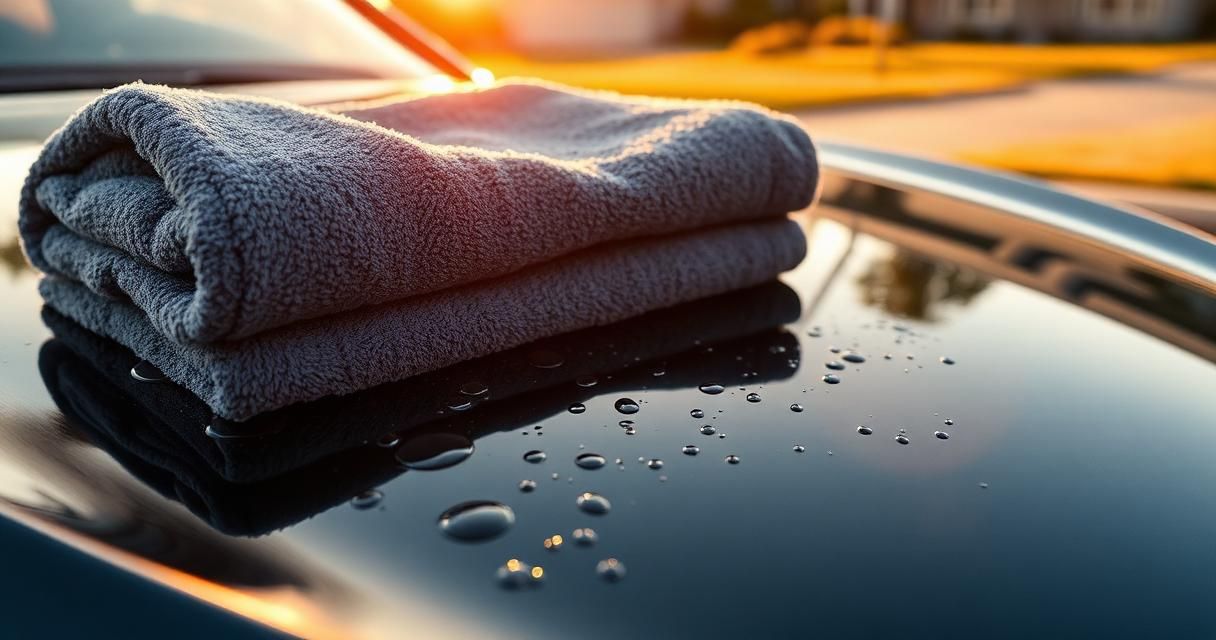
Mobile detailers hand-dry each panel with a plush microfiber towel the moment it comes out of the rinse, so no water sits on the paint. It's a small step that adds ten minutes and saves years of paint life.
3. Interior sanitization
A drive-through wash doesn't touch the inside of the car. That's where dust, pollen, food debris, and bacteria actually accumulate — on the steering wheel, shift knob, cupholders, door pulls, and seat belts. A professional interior detail vacuums, steam-cleans upholstery and carpets, wipes down every touch point, and treats leather or vinyl surfaces to keep them from cracking.
If you eat in your car, drive with kids or pets, or commute daily, this is the part that matters most.
When a car wash is fine
If you drive a lease you'll turn in next year, live somewhere with clean rinse water, and don't care about swirl marks, a quick tunnel wash is a reasonable choice for rinsing off pollen or road salt between details. For most everyone else — daily drivers, dark-colored paint, families, or anyone planning to keep or sell their car — professional detailing pays for itself in preserved resale value alone.
FAQ
- Is a car wash bad for your paint?
- Automated tunnel washes use recirculated water and stiff brushes or cloth strips that can drag grit across the clear coat, causing swirl marks and micro-scratches over time. Professional hand detailing uses fresh water, pH-balanced soap, and the two-bucket method to lift dirt without grinding it into the finish.
- Why do I get water spots after a car wash?
- High-mineral rinse water dries on the panels before it can be wiped off, leaving calcium and silica deposits that etch into the clear coat. Mobile detailers hand-dry each panel with plush microfiber towels immediately after rinsing, so no water sits on the paint.
- Do car washes clean the inside of your car?
- Most drive-through car washes are exterior-only. A mobile detailing service vacuums carpets and seats, steam-cleans upholstery, wipes down every touch point, and sanitizes the cabin — which is where dust, allergens, and bacteria actually build up.
- Is mobile detailing worth the extra cost vs. a car wash?
- A $15 wash cleans the surface for a day. A professional detail protects the paint, extends resale value, sanitizes the interior, and comes to your driveway — no line, no lost Saturday. Most FujiWash™ customers book monthly or bi-weekly plans and spend less per year than they used to at the tunnel wash plus interior clean.