
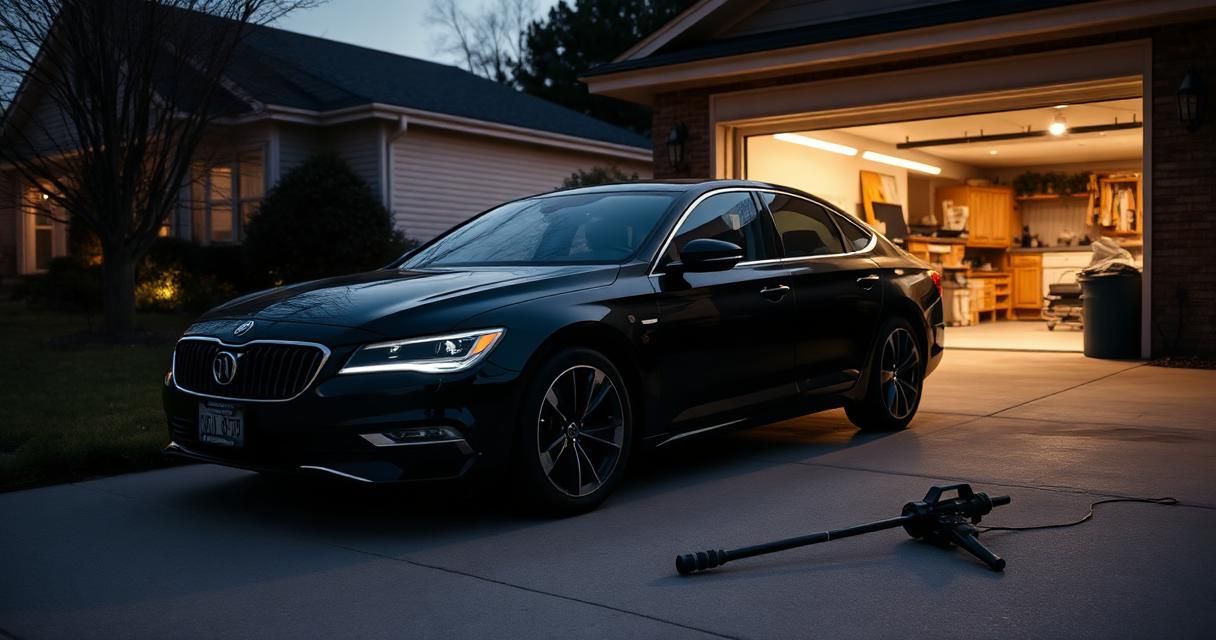
Convenience: the real reason mobile wins
A shop detail costs you 4 to 8 hours of your day: drop off, ride home or wait, ride back, pick up. Mobile detailing costs you zero — the car stays where it is, you keep working, and you inspect it when you walk outside.
For weekly or bi-weekly maintenance, that convenience compounds. Most FujiWash™ plan members book at times they used to spend driving to a shop.
Quality: about the same for most services
For interior detailing, exterior wash, wax, and sealant applications, there's no measurable quality difference between a good mobile detailer and a good shop. Both use the same products and techniques.
When a shop is genuinely better
- Paint Protection Film (PPF) installations that need a dust-controlled bay
- Multi-day paint correction that requires the car to stay indoors overnight
- Restoration-level jobs on abused, oxidized, or previously repainted vehicles
- Wet-sanding and cut-and-buff for show prep
For everything else — interior detailing, exterior wash and wax, sealant applications, and single-day ceramic coatings — mobile is at minimum equal and usually better for the customer.
Cost
Mobile detailing carries no rent, no bay costs, and no reception overhead — those savings usually offset the travel time built into the price. Expect mobile pricing within 10% of a comparable shop, with recurring plans typically cheaper than shop equivalents.
FAQ
- Does mobile detailing use less water?
- Yes. Mobile setups typically use 20–30 gallons per detail, versus 60+ at a bay wash — because rinse volume is bottled, not pressurized from a tap.
- What if it rains?
- Mobile detailers reschedule for exterior work when the forecast is unsafe. Interior details continue as scheduled since they happen with the doors closed.
- Can mobile detailers do ceramic coatings?
- Yes — single-day professional ceramic coatings are routine mobile work, as long as the car can be moved into a garage or shaded space for the 12-hour cure. Multi-day coatings usually go to a shop.
- Is mobile detailing legal in HOA and apartment complexes?
- In almost all cases, yes — mobile detailers use self-contained water and low-noise generators, and don't discharge onto storm drains. Rules vary; ask your HOA if unsure.